How to Prepare for a Fire Risk Assessment
A practical checklist to help you organise your records, arrange access and understand what happens during the visit. Prepare with confidence and get useful advice based on how your premises actually operates.
What Do You Need to Prepare?
Before a fire risk assessment, gather your existing fire safety records, arrange access to the relevant parts of the building and make sure someone familiar with the premises is available to answer questions.
The assessor needs to understand the building, the people who use it and how fire safety is managed day to day. Accurate information helps them identify significant risks and explain what action may be needed.
You do not need a perfect folder of paperwork before asking for help. If records are missing, equipment has developed a fault or responsibilities are unclear, explain this when arranging the visit.
FireBugged provides assessments throughout South Wales, carried out by Paul Williams, a Level 4 qualified fire risk assessor with more than 26 years of fire safety experience.
Six Things to Organise Before the Visit
The exact preparation depends on your premises and the agreed assessment scope. These six steps provide a useful starting point for businesses, landlords and premises managers.
Your Previous Assessment
Make the most recent fire risk assessment and action plan available, if you have them.
Include evidence of completed recommendations, such as repair reports, contractor records or details of changes to fire precautions. Identify actions that remain outstanding.
Testing and Maintenance Records
Gather the records you hold for fire alarms, emergency lighting, extinguishers, fire doors and other relevant systems.
Include servicing reports, routine check records and details of unresolved faults. Paper logbooks and electronic records can both be useful.
Evacuation and Training Information
Have your emergency procedures, staff fire safety training records and fire drill records ready.
Explain arrangements for visitors, lone workers and people who may need help to evacuate, including how these work during different shifts.
Building Use and Occupancy
Be ready to explain what happens in each part of the building, normal opening hours and approximate numbers of occupants.
Mention overnight use, shared areas, hazardous materials, machinery, cooking or charging activities. Provide floor plans or relevant building information where available.
Access and a Suitable Contact
Confirm which areas are included and arrange the keys, permissions or escorts needed for safe access.
Make sure someone who understands the premises and its fire safety arrangements is available. Tell the assessor about site inductions or restricted areas in advance.
Changes and Known Concerns
Explain recent alterations, changes of use, increased occupancy or new equipment and processes.
Share details of fires, near misses, evacuation difficulties, recurring alarm problems and relevant correspondence from the fire and rescue service.
Missing something? Gather what you have and explain any gaps. Do not recreate checks that were never carried out or delay asking for help because your records are incomplete.
Which Documents Are Useful?
Not every document applies to every building. Make the information relevant to your premises easy to find and tell the assessor when another organisation holds it.
Existing Reports
Previous fire risk assessments, action plans and evidence of completed improvements.
System Records
Available alarm, emergency lighting, extinguisher and other fire protection inspection and servicing records.
Emergency Procedures
Your fire emergency plan, evacuation arrangements and relevant assistance plans.
Staff Records
Fire safety induction, refresher training, drill records and details of allocated responsibilities.
Building Information
Available floor plans, fire strategy documents and information about alterations or changes of use.
Other Relevant Evidence
Electrical or gas safety records where applicable, specialist reports and relevant enforcement correspondence.
Explain How Your Building Really Operates
A floor plan cannot show everything that affects fire safety. The assessor also needs to understand normal working practices, busy periods and the needs of the people present.
Be ready to discuss whether occupants sleep on the premises, whether visitors are unfamiliar with the layout and whether anyone may need assistance to evacuate. Explain what changes during evenings, weekends or periods with fewer staff.
If you share a building, identify who manages the common areas, alarm systems and shared escape routes. Relevant information may need to come from the landlord, managing agent or another occupier.
Different premises need different considerations. FireBugged provides assessments for offices, care homes and HMOs, alongside other business and residential settings.
Practical advice: Explain the assistance occupants may need without sharing unnecessary personal or medical details. The assessor needs to understand the evacuation arrangements and whether they are workable.
Common Preparation Mistakes
A useful assessment relies on accurate information and suitable access. These issues can make the process less effective.
Waiting for Perfect Paperwork
Missing records should be discussed when booking. They do not need to stop you arranging professional help.
Unavailable Keys or Access
Locked rooms or unclear permissions can limit what can be inspected. Agree access arrangements in advance.
No Informed Contact
Someone should be available who can explain how the building operates and how fire safety is managed.
Hiding Recurring Problems
Moving obstructive stock for the appointment does not resolve a corridor that is regularly blocked by deliveries.
Assuming Every Test Is Included
A fire risk assessment does not automatically include electrical testing, specialist servicing or intrusive surveys.
Leaving Known Dangers Until Later
Take appropriate action on immediate dangers when identified. Seek competent advice rather than waiting for a scheduled visit.
Should You Tidy Up Before the Assessment?
Good housekeeping should be part of normal operations. Keep escape routes clear, manage waste and store materials safely throughout the working week.
Correct obvious hazards when you find them and explain recurring issues to the assessor. If stock regularly builds up beside an exit or a fire door is repeatedly wedged open, the underlying cause needs attention.
The assessment should reflect how the premises normally operates. Be open about defects and outstanding work so the recommendations address the actual risks.
What Happens on the Day?
The visit combines a discussion, inspection and review of relevant information. The precise scope depends on the premises and what has been agreed.
Discuss the Premises
The assessor establishes how the building is used, who occupies it and how fire safety responsibilities are managed.
Inspect the Relevant Areas
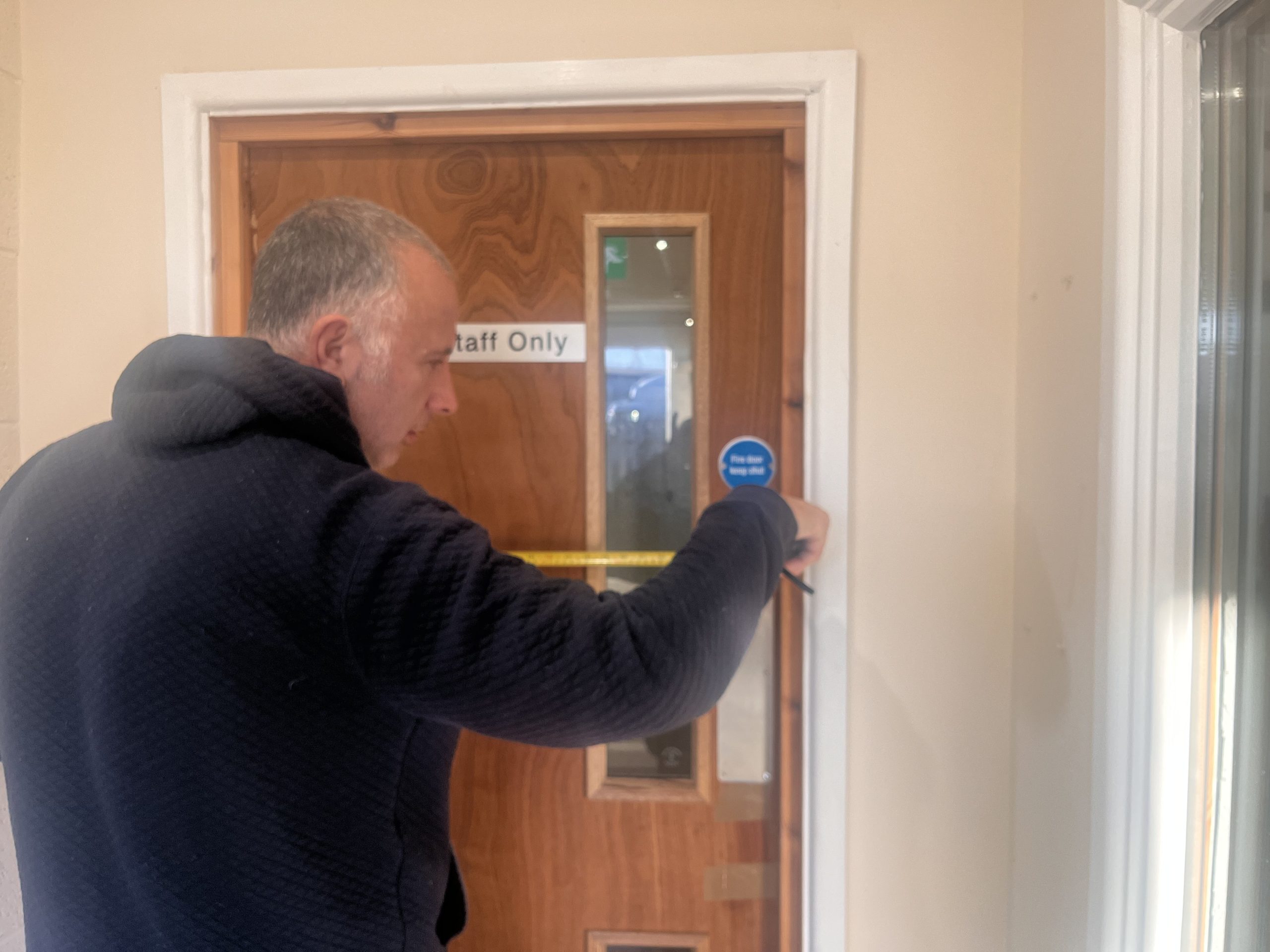
The inspection considers potential hazards, escape routes, fire precautions and conditions within the agreed assessment scope.
Review Available Records
Testing, maintenance, training and emergency planning information helps explain how precautions are managed in practice.
Receive the Written Findings
Following the assessment, FireBugged provides a written report explaining the significant findings and recommended actions.
Plan and Record Improvements
Use the action plan to arrange necessary improvements, allocate responsibility and record completed work. Ask Paul to clarify anything you do not understand.
Before booking: Tell the assessor if the premises will be closed, unusually quiet or operating differently on the proposed date. They can advise whether this affects the visit arrangements.
Make the Report Part of Ongoing Fire Safety Management
Receiving a report is the starting point for addressing its findings. Read the action plan, understand the priorities identified and arrange any necessary improvements within appropriate timescales.
- Allocate responsibility for each action.
- Keep evidence of completed repairs and improvements.
- Explain relevant changes to staff and other occupants.
- Maintain testing, servicing and training records.
- Keep the assessment under review as circumstances change.
Building alterations, changes of use, new processes or significant occupancy changes may mean the assessment needs updating. Read our guide to how often a fire risk assessment needs to be reviewed for more detail.
Fire Risk Assessments Across South Wales
FireBugged supports businesses, landlords and organisations throughout South Wales. Explore our local assessment services below.
Preparing for a Fire Risk Assessment: FAQs
Can I book an assessment if I have no previous report?
Yes. Explain that this is your first assessment or that the previous report cannot be located. Gather any other relevant records you hold and discuss the premises with the assessor.
Do I need printed copies of every document?
Not necessarily. Electronic records can be useful too. Make sure they are accessible during the visit and confirm whether the assessor would like any information beforehand.
Who should be available during the visit?
Someone familiar with the building, normal operations and fire safety arrangements. This might be the owner, premises manager, facilities manager or another suitable member of staff.
Will the assessor test and service the fire alarm?
Specialist testing and servicing are not automatically included in a fire risk assessment. Confirm the agreed scope and make your existing testing and maintenance records available.
Does the business need to close for the assessment?
Many assessments can take place while premises are operating. Access, safety and operational requirements should be discussed beforehand so suitable arrangements can be agreed.
What if my landlord holds the fire safety records?
Ask for the information relevant to your premises and identify who manages shared systems and common areas. Tell the assessor which records are held elsewhere and what you have been able to obtain.
How much will the assessment cost?
Cost depends on the size, layout, use and complexity of the premises. Send FireBugged the basic building details for a quotation, or read our guide to fire risk assessment costs in Wales.
Related Fire Safety Advice
Explore more guidance on assessment requirements, review arrangements and landlord responsibilities.
Ready to Arrange Your Fire Risk Assessment?
Speak directly to Paul Williams, a Level 4 qualified fire risk assessor with more than 26 years of fire safety experience.
Tell us your location, premises type, approximate size and any particular concerns. Paul can explain what information would help before the visit and provide a no-obligation quotation.