Fire Risk Assessments for Landlords in Wales
A practical guide to landlord fire safety responsibilities, HMOs, rental properties and communal areas. Understand when an assessment is required, what it should cover and how to protect your tenants and property.
Do Landlords Need a Fire Risk Assessment?
Whether a landlord needs a formal fire risk assessment depends on the property, how it is occupied, whether there are shared or communal areas and which fire safety legislation applies.
Landlords and property managers responsible for houses in multiple occupation, blocks of flats and other properties with shared areas are particularly likely to have specific fire risk assessment obligations.
Even where a property does not require the same type of documented assessment as an HMO or block of flats, landlords still have duties relating to safe accommodation, smoke alarms, electrical safety and other relevant standards.
FireBugged supports landlords and letting agents throughout South Wales, providing clear, practical assessments carried out by a Level 4 qualified fire risk assessor.
Which Fire Safety Rules Apply to Landlords in Wales?
Fire safety responsibilities for rental properties in Wales can arise under several legal frameworks. The precise requirements depend on the type of building and the areas for which the landlord, managing agent or freeholder is responsible.
The Regulatory Reform (Fire Safety) Order 2005
The Fire Safety Order applies to relevant non-domestic premises and can apply to shared corridors, staircases and other communal parts of residential buildings.
The responsible person must ensure that relevant risks are assessed, suitable precautions are in place and fire safety arrangements are kept under review.
These duties are particularly relevant where properties contain shared escape routes, communal entrances or accommodation occupied by multiple households.
Welsh Rental Housing Requirements
Landlords in Wales also have responsibilities under the Renting Homes (Wales) framework and associated fitness for human habitation requirements. These include relevant duties relating to smoke alarms, carbon monoxide alarms and electrical safety.
These housing obligations do not replace a fire risk assessment where one is required. They operate alongside broader property management and fire safety responsibilities.
HMO Licensing and Local Authority Requirements
Houses in multiple occupation may be subject to licensing requirements and additional conditions imposed by the relevant local authority.
Conditions can cover fire detection, protected escape routes, fire doors, emergency lighting and other precautions appropriate to the property.
Important: A single-family rental, a licensed HMO and a converted building containing several flats do not necessarily have the same fire safety requirements.
Which Rental Properties May Need a Fire Risk Assessment?
The greater the complexity of the building and the more people who rely on shared escape routes, the more important a properly documented fire risk assessment becomes.
Houses in Multiple Occupation
HMOs often present increased fire risks because several households share kitchens, hallways, staircases or other facilities.
Assessments commonly consider escape routes, fire doors, alarm systems and occupancy arrangements.
Blocks of Flats and Communal Areas
Shared hallways, stairwells, entrances, plant rooms and other communal parts of residential buildings can fall within fire safety legislation.
Responsibility may sit with a freeholder, management company, landlord or appointed managing agent.
Converted Houses and Mixed-Use Buildings
Buildings converted into flats or combining commercial premises with residential accommodation can create more complicated fire safety arrangements.
Concerns can include shared escape routes, fire separation, commercial activities below flats and responsibilities divided between different parties.
Single-Family Rental Properties
An ordinary house rented to one household will not automatically need the same communal-area fire risk assessment as an HMO or residential block.
Landlords must still meet applicable housing safety duties, including relevant smoke alarm, electrical safety and property fitness requirements.
What Should Landlords Check?
A suitable assessment considers how a fire might start, who could be affected and whether the property has adequate measures to prevent, detect and manage an emergency.
Fire Detection and Alarms
Are appropriate alarms installed, operational and suitable for the building’s layout and occupancy?
Escape Routes
Can occupants leave safely, and are corridors and staircases clear, accessible and appropriately protected?
Fire Doors
Where fire doors are required, are they suitable, correctly fitted and maintained in an effective condition?
Emergency Lighting
Where necessary, is suitable emergency lighting provided and properly inspected and maintained?
Electrical Hazards
Are electrical installations, shared appliances and potential ignition sources properly managed?
Management and Maintenance
Are responsibilities clear, safety issues reported promptly and relevant inspection records maintained?
Common Fire Safety Mistakes Made by Landlords
Fire safety problems often develop gradually. Changes in occupancy, maintenance issues and everyday tenant behaviour can alter the risk after a property is first let.
Blocked Escape Routes
Bicycles, furniture, rubbish and stored belongings can restrict escape or add fuel to a fire in shared areas.
Ineffective Fire Doors
Missing self-closers, excessive gaps, damaged seals or wedged doors can undermine fire separation.
Inadequate Alarm Arrangements
Incorrectly positioned alarms, unsuitable systems or inadequate maintenance can reduce the warning available to occupants.
Unclear Responsibilities
Appointing a managing agent does not automatically remove a landlord’s responsibilities. Duties should be clearly agreed.
Failing to Review Changes
New tenants, increased occupancy or building alterations can make an existing assessment incomplete or outdated.
Relying on a Generic Checklist
A checklist may not properly consider the building’s construction, layout, occupants and actual fire risks.
What Happens During a Landlord Fire Risk Assessment?
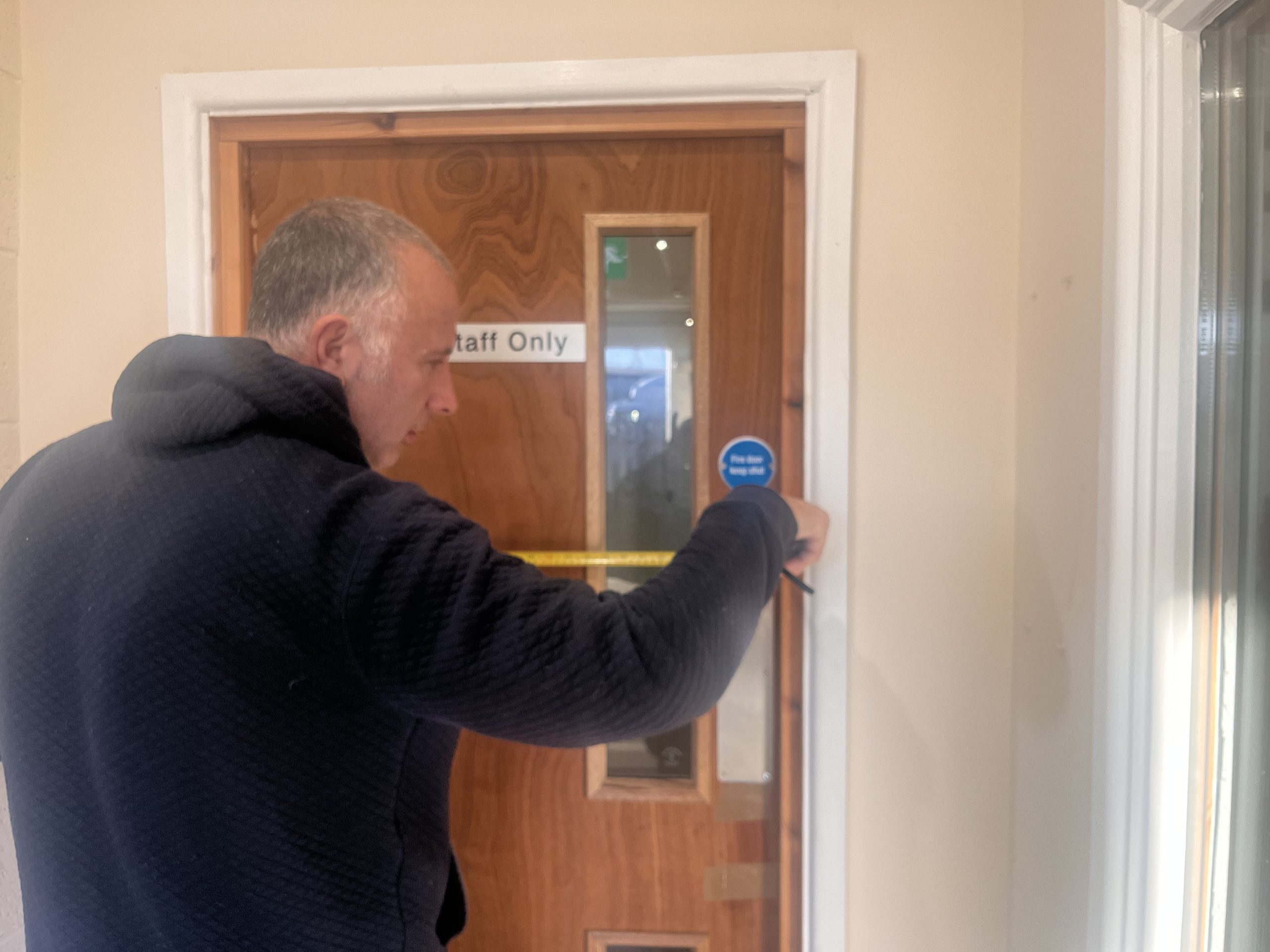
FireBugged provides practical assessments designed to identify significant risks and explain the steps needed to improve safety and support compliance.
Discuss the Property and Occupancy
We establish the property type, how it is occupied, who manages it and which areas need to be assessed.
Inspect Relevant Areas
The inspection considers escape routes, precautions, potential ignition sources and the management of fire safety.
Identify Significant Risks
We identify matters that could increase the likelihood of fire, affect evacuation or compromise existing precautions.
Provide Clear Recommendations
You receive a documented assessment explaining the findings and recommended actions in straightforward language.
Plan Ongoing Reviews
We explain when the assessment should be reviewed and which property or occupancy changes may trigger an earlier review.
How Often Should a Landlord Review a Fire Risk Assessment?
An assessment should be kept under review so it remains suitable and sufficient for the property and its current circumstances.
A further review may be appropriate following:
- Building alterations or changes to the layout.
- A change in occupancy or the number of residents.
- Changes involving vulnerable occupants.
- Changes to fire doors, alarm systems or other precautions.
- A fire, near miss or significant safety incident.
- Changes to how the building is managed or used.
- Identification of new hazards or enforcement concerns.
Practical advice: Reviewing an assessment is not simply changing its date. The review should establish whether the findings and precautions still reflect the property as it operates today.
Fire Risk Assessments for Letting Agents and Property Portfolios
Letting agents and property managers often oversee several buildings, different landlords and a mixture of property types. This can make it difficult to monitor assessments, review dates and outstanding actions.
FireBugged works with landlords, letting agents and managing agents throughout South Wales to provide clear, property-specific assessments.
Whether you manage one HMO or a wider portfolio, a consistent approach makes it easier to identify priorities, maintain records and demonstrate that fire safety is being actively managed.
Landlord Fire Risk Assessments Across South Wales
FireBugged supports property owners, landlords, letting agents and managing agents throughout South Wales.
Landlord Fire Risk Assessment FAQs
Does every rented property in Wales need a fire risk assessment?
No. Requirements depend on the property, its occupancy and whether relevant fire safety legislation applies. HMOs, shared buildings and communal areas often have specific assessment obligations.
Do HMO landlords need a fire risk assessment?
HMO landlords frequently have assessment responsibilities, especially where there are communal escape routes, shared facilities and licensing conditions.
Is the landlord or letting agent responsible?
Responsibility depends on who controls the premises or relevant parts of the building. More than one person or organisation can have duties, so responsibilities should be clearly agreed and managed.
Do blocks of flats need a fire risk assessment?
Shared and communal parts may require a suitable assessment. These can include corridors, staircases, entrances and other relevant parts of the building.
Can landlords carry out their own assessment?
The assessor must have enough knowledge, experience and understanding to identify relevant risks and precautions. A suitably qualified assessor is sensible for HMOs, blocks of flats and complex buildings.
What happens if significant fire safety issues are identified?
The assessment should explain the issues and recommend appropriate actions. The responsible person must then arrange any necessary improvements within suitable timescales.
How much does a landlord fire risk assessment cost?
Cost depends on the property’s size, layout, occupancy and complexity. Read our guide to fire risk assessment costs in Wales .
Related Fire Safety Advice
Explore additional guidance on fire safety responsibilities, assessment costs and specialist support for HMOs across South Wales.
Need a Fire Risk Assessment for Your Rental Property?
FireBugged provides professional assessments for landlords, HMOs, letting agents and property managers throughout South Wales.
Speak directly to Paul Williams, a Level 4 qualified fire risk assessor with more than 26 years of relevant experience, for straightforward advice and a no-obligation quote.