Swansea HMO Fire Safety: What Landlords Should Check Under the 2026 Licensing Policy
Understand the policy change, check your property records and review the fire precautions and management arrangements for your Swansea HMO.
What changed for Swansea HMO landlords in 2026?
Rent Smart Wales confirms that Swansea Council’s new HMO Licensing Policy took effect on 14 February 2026, replacing the previous Additional HMO Licensing Policy 2020.
Its announcement highlights responsibility for keeping landlord-supplied fixtures and appliances in safe repair, and carbon monoxide alarms in rooms containing fuel-burning appliances. The full policy and the conditions applicable to your property are the documents to check.
The policy date is not an automatic assessment expiry date. The announcement does not say that every existing HMO must commission a replacement fire risk assessment solely because the policy changed.
Check your licence before deciding what work is needed
Find the current licence, its conditions and any correspondence from Swansea Council. Confirm which requirements apply to your address and whether the council has requested particular documents, improvements or timescales.
Do this for each property you manage, whether it is in Uplands, Brynmill, Mount Pleasant or elsewhere in Swansea. Do not assume a postcode, a neighbour’s arrangements or an old template establishes your own licensing position.
If the condition of the property or the adequacy of its fire precautions needs assessing, our Swansea fire risk assessment service provides a route to discuss the premises and scope.
Fire alarms and carbon monoxide alarms have different jobs
A carbon monoxide alarm warns of a dangerous gas associated with fuel-burning appliances. It should not be treated as a replacement for the smoke or heat detection needed for fire warning.
For each property, identify which appliances burn fuel, what CO detection is provided and whether records show faults or missing information. Separately identify the fire alarm arrangements, their coverage and the records for checks and maintenance.
Check the council’s conditions, the relevant guidance and manufacturers’ instructions before selecting or positioning equipment. If the existing arrangements are unclear, obtain appropriate advice rather than adding devices at random.
Five questions to put on your Swansea HMO checklist
Can occupants reach safety?
Review shared corridors, stairs and final exits. Note changes to the layout, storage affecting escape and faults in exit fastenings. Establish whether the escape arrangements remain suitable for the people living there.
Are doors and separation maintained?
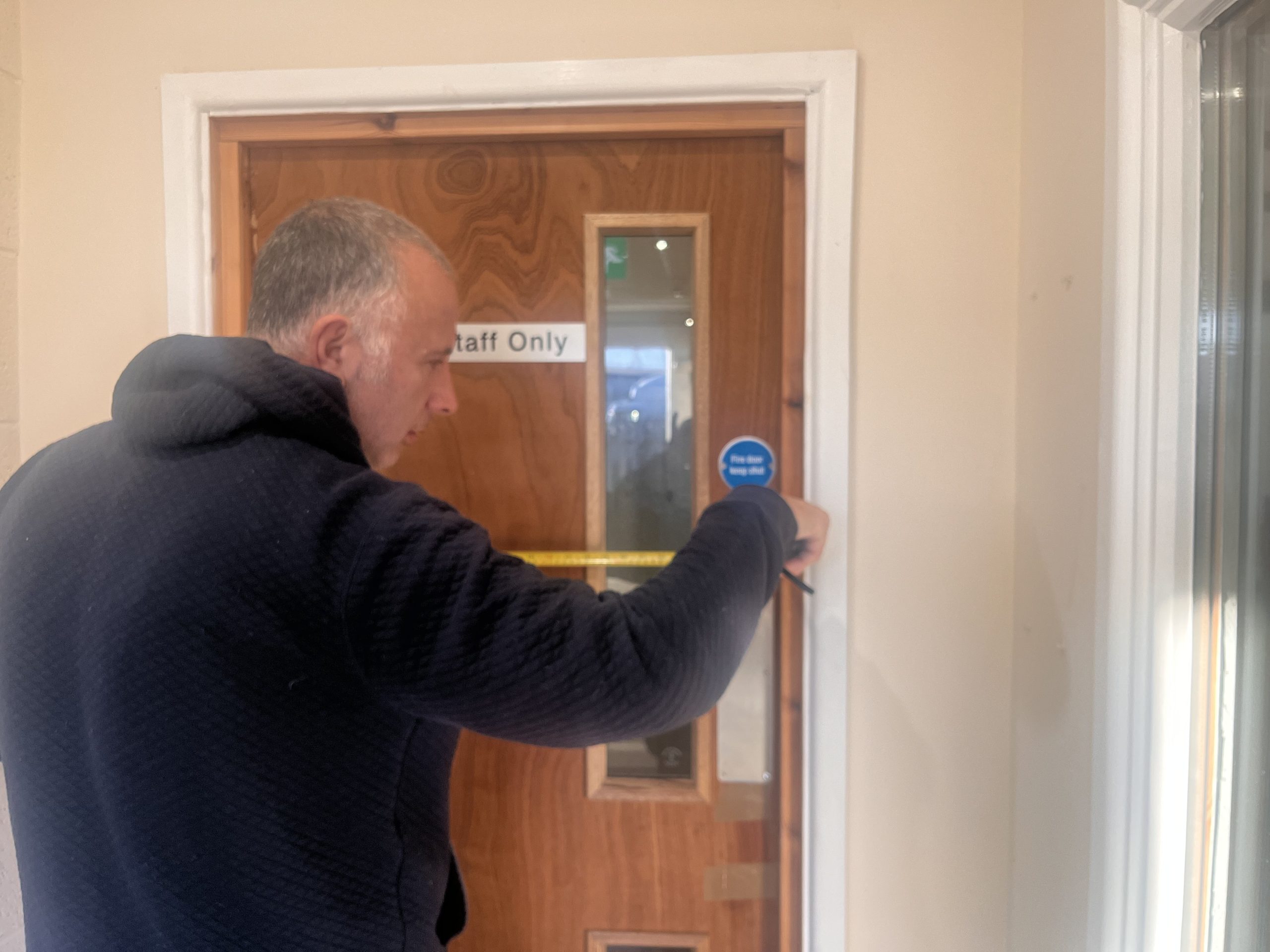
Record damage, alterations and reported defects. Where fire doors or fire-resisting construction are needed, competent assessment and suitable repair evidence are more useful than a visual assumption that everything is satisfactory.
Are supplied appliances in safe condition?
Keep an inventory of relevant landlord-supplied appliances and fixtures. Arrange suitable inspection, maintenance or repair when faults are identified. Do not reduce the policy announcement to a paperwork exercise.
Are warning systems managed?
Keep a clear record of the fire alarm and CO alarm arrangements, relevant checks and unresolved faults. Use suitable contractors where technical testing, servicing or alterations are necessary.
Who follows up defects?
Give residents a clear reporting route. Agree who authorises work, arranges access and verifies completion, particularly where an owner, agent and several contractors are involved.
Read Swansea’s fire precautions guidance alongside the policy
Swansea Council publishes a means-of-escape and fire-precautions appendix alongside its HMO policy. It also provides practical HMO safety material. These are useful starting points when discussing the arrangements for your building.
Use the current council pages and the conditions attached to your property, rather than relying solely on an older PDF saved when the property was first licensed.
Where the Fire Safety Order applies, a suitable and sufficient fire risk assessment is required for the relevant premises or areas. Housing and licensing requirements also matter. Establish the scope for the particular building instead of assuming that a domestic alarm check covers every duty.
Put findings into an action register
As a practical management approach, list each defect or information gap with its location, priority and the person responsible for dealing with it. Set an appropriate target date based on the assessment, council requirements or competent advice.
Keep the evidence needed to close the action: for example, a contractor’s report, test results, updated resident information or confirmation that a management issue has been addressed.
Do not mark an issue complete simply because a contractor has been booked. Check the outcome and retain the relevant handover information. Serious risks need prompt action rather than deferral until the next licence renewal.
When should an existing assessment be revisited?
Review it if the property no longer matches its description, the occupancy or use has changed, alterations affect escape or precautions, or new information raises concerns about the earlier findings.
A policy update is a sensible prompt to compare your records and arrangements with the applicable requirements. Whether a new inspection or assessment review is needed depends on that comparison and the property’s circumstances.
For further guidance, read when to review a fire risk assessment and our HMO assessment service overview.
Frequently asked questions
Do I automatically need a new assessment because of the 2026 policy?
The Rent Smart Wales announcement does not establish a blanket replacement requirement. Check your own licence, council correspondence and whether your existing assessment remains suitable for the property.
Does installing CO alarms complete my fire safety duties?
No. CO detection and fire warning address different hazards. You also need to consider the relevant escape arrangements, fire precautions, maintenance and management responsibilities.
Should I buy equipment before the property is assessed?
Check what the applicable conditions and assessment require first. Equipment selection needs to suit the building; purchasing a generic package does not establish that the precautions are adequate.
Who can confirm my HMO licensing position?
Swansea Council can advise on licensing and the requirements it applies to your property. Firebugged can discuss a fire risk assessment scope, but cannot grant or guarantee a council licence.
Further guidance
Local guidance and requirements should be checked against your property and current licence conditions. Sources checked: 27 October 2026.
Need a fire risk assessment in Swansea?
Firebugged provides on-site assessments carried out by Paul Williams, a Level 4 qualified fire risk assessor with more than 26 years of fire safety experience. Tell Paul about your property, its layout and occupancy for a quotation.