One of the most common questions we get asked before carrying out a fire risk assessment is: how much is it going to cost? It’s a completely reasonable thing to want to know, and the honest answer is that it depends on a number of factors specific to your premises.
Rather than give you a figure that may bear no resemblance to your actual situation, this guide explains what influences the cost of a fire risk assessment in Wales — so you can go into the process with realistic expectations and make an informed decision about who to use.
Why There Is No Single Fixed Price
Fire risk assessments are not a one-size-fits-all service. A small retail unit in a single-storey building is a very different proposition to a multi-floor office block, a care home or a large warehouse with complex storage and machinery. The time required, the level of detail involved and the qualifications needed to assess the premises properly all vary significantly.
Any company offering a fixed price for all premises without first understanding what they are assessing should be treated with caution. A credible assessor will want to know about your building before quoting.
What Affects the Cost of a Fire Risk Assessment?
1. Size of the Premises
The larger the building, the longer the assessment takes. A single-room office will take a fraction of the time of a multi-storey commercial building or a sprawling industrial site. More time on site means a higher fee, and rightly so — a thorough assessment cannot be rushed.
2. Type of Property and Occupancy
The nature of your business and how the building is used has a direct bearing on the complexity of the assessment. A busy hotel with sleeping accommodation, for example, carries a significantly higher risk profile than a small professional services office. HMOs and care homes require particularly detailed assessments given the vulnerability of the occupants and the specific legislation that applies to them.
3. Number of Floors and Escape Routes
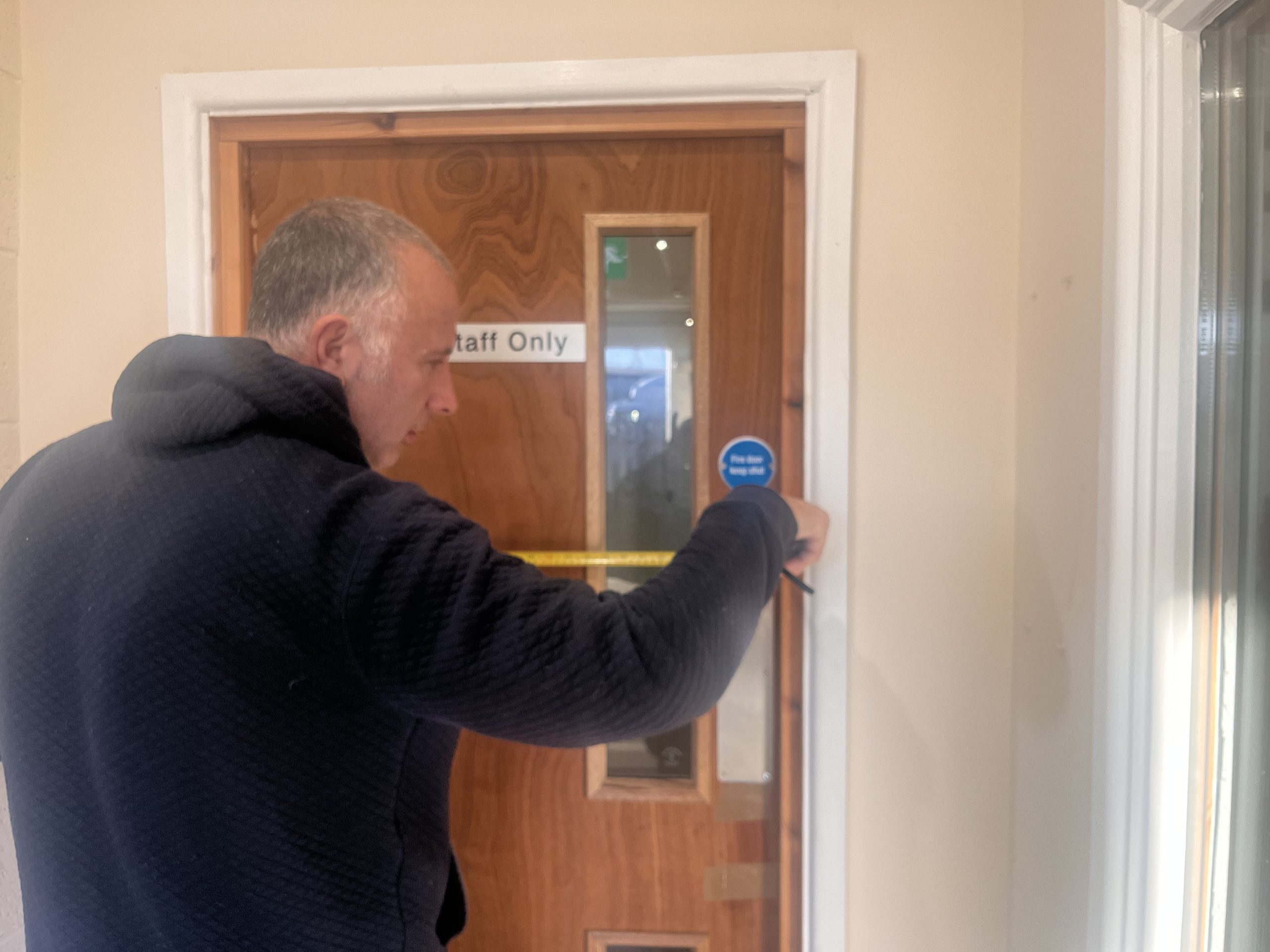
Buildings with multiple floors, complex layouts or a large number of escape routes take longer to assess properly. The assessor needs to walk every part of the building, check every exit and evaluate every relevant risk — there are no shortcuts in a compliant assessment.
4. Condition of the Premises
A well-maintained building with up-to-date fire safety measures in place is generally quicker to assess than a premises with known issues, outdated systems or a backlog of remedial work. In some cases, the findings during an assessment may require the assessor to spend additional time documenting and evidencing a greater number of hazards.
5. Qualifications of the Assessor
The cost of a fire risk assessment is also influenced by the qualifications and experience of the person carrying it out. A Level 4 qualified fire risk assessor commands a higher fee than someone with a basic qualification — and for good reason. Level 4 is the highest level of competence recognised in the industry, and it means the assessor has the knowledge and experience to assess complex, higher-risk premises accurately and reliably.
Choosing a cheaper, less qualified assessor may save money in the short term but can leave you exposed if the assessment misses something significant or does not hold up to scrutiny from the Fire and Rescue Service.
6. Urgency and Turnaround Time
If you need an assessment at short notice or require your report to be delivered faster than the standard turnaround, this may affect the overall cost. Most reputable assessors work to a standard timeframe — at FireBugged, we aim to deliver reports within 48 hours of the site visit — but urgent requests outside of that may be priced differently.
7. Travel and Location
For businesses based further afield, travel time and mileage may be factored into the overall price. FireBugged is based in Bridgend and covers the full South Wales region as standard, including Cardiff, Swansea, Newport, Bridgend, Pontypridd and beyond — so travel costs are rarely a significant factor for premises across the region.
What Should Be Included in the Price?
When comparing quotes, make sure you are clear on exactly what is being provided. A compliant, professional fire risk assessment should include:
- A full on-site inspection of the premises by a qualified assessor
- Identification of all fire hazards and risks
- Assessment of escape routes, fire doors, detection systems and extinguisher provision
- Photographic evidence of findings
- A written report meeting the requirements of the Regulatory Reform (Fire Safety) Order 2005
- A prioritised action plan clearly setting out what needs to be addressed
If a quote does not include a written report, photographic evidence or a clear action plan, it is not a complete service — regardless of the price.
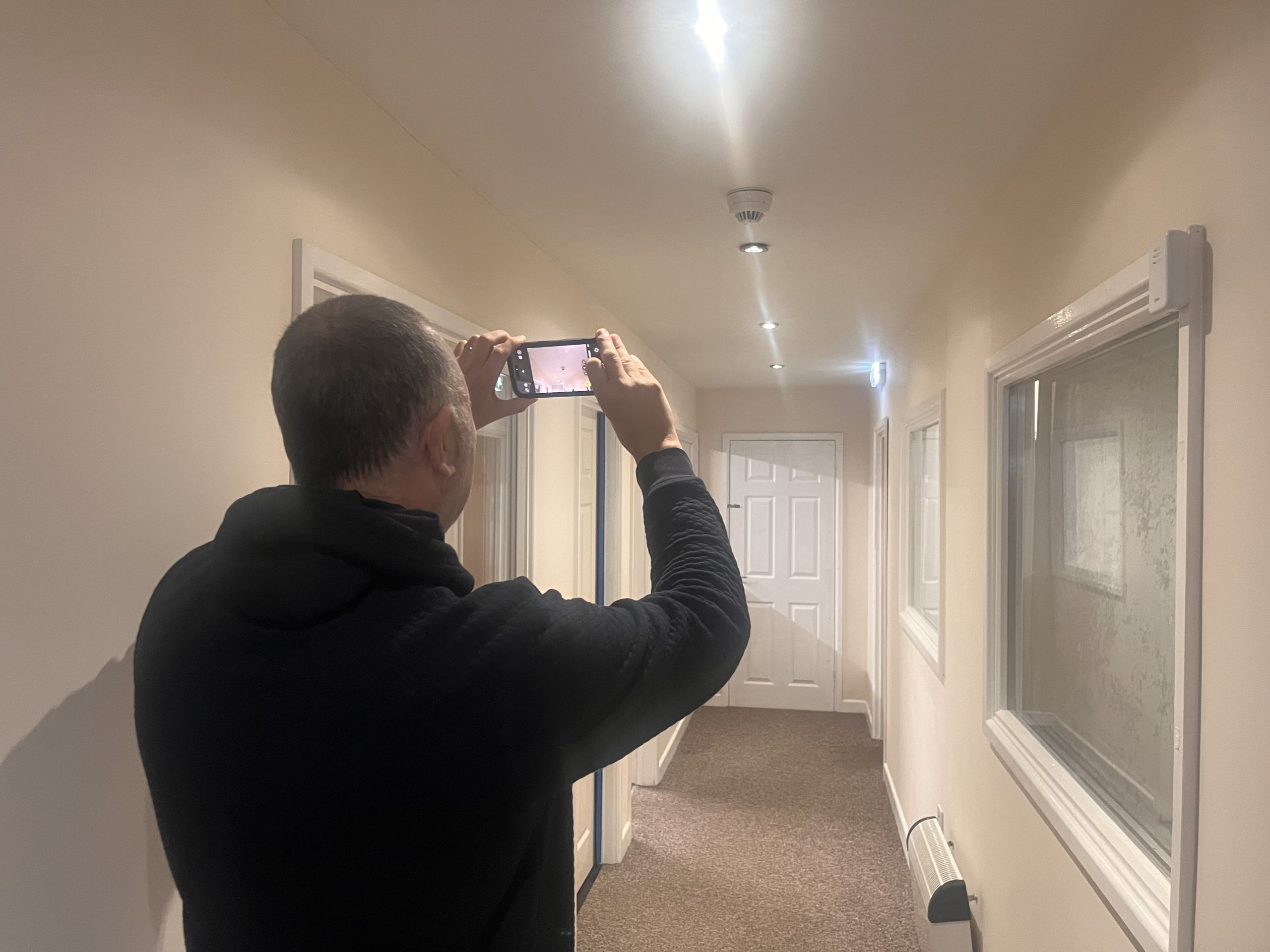
The Real Cost of Not Having One
It is also worth considering the cost of not having a compliant fire risk assessment in place. Under the Regulatory Reform (Fire Safety) Order 2005, the responsible person for any non-domestic premises in Wales has a legal duty to ensure a suitable and sufficient assessment is carried out and kept up to date.
Failure to comply can result in enforcement notices, prohibition of your premises or criminal prosecution. The financial and reputational consequences of any of those outcomes far outweigh the cost of getting the assessment done properly in the first place.
How to Get an Accurate Quote for Your Premises
The quickest way to get an accurate price is to get in touch directly. At FireBugged, we carry out fire risk assessments across Cardiff, Swansea, Newport, Bridgend, the Vale of Glamorgan, Pontypridd and across South Wales. Every quote is based on the specific details of your premises — the size, type, complexity and location — so you get a price that accurately reflects the work involved.
Paul Williams, our Level 4 qualified assessor, will discuss your requirements, ask the right questions and provide a clear, transparent quote with no hidden extras.